B2C Audience Psychology: What Resonates With Them
The world around us is shaped by our everyday habits, most of which we are not aware of.
In B2C marketing, people don’t just buy products or take action purely because of logical presentation but based on emotional appeal, worldview biases, and current pain points. These traits are consistent among the B2C content consumers.
When your writing follows a familiar flow, mirrors their thought patterns, and reassures them at each step, you reduce friction and build trust. This ties into the psychological principle of behavioral consistency: people prefer actions and decisions that align with what they already believe or expect.
That’s why the best B2C writing feels “natural.” It speaks the way the customer already thinks, then guides them toward a decision that feels like their own.
According to Nielsen research, US adults spend nearly half their day interacting with media content. In those fleeting moments of attention, your content either resonates with deep psychological triggers or loses attention to the next brand. The brands that understand consumer psychology don’t just capture attention; they naturally lead casual readers to their intended next step.
What This Post Covers
In this guide, you’ll learn how to apply consumer psychology to create B2C content that naturally guides purchasing decisions:
- The Three Pillars of Persuasion – How Ethos, Pathos, and Logos work in B2C contexts
- 4 Key Psychological Biases – Loss aversion, social proof, anchoring, and commitment consistency
- 5 Content Types with Before/After Examples – Product descriptions, email sequences, social media posts, landing pages, and blog content
- Best Practices for B2C Writers – Actionable strategies for emotional storytelling and conversion optimization
Each section includes real examples showing how psychology transforms generic content into high-converting copy.
B2C Psychological Biases and Behavioral Patterns
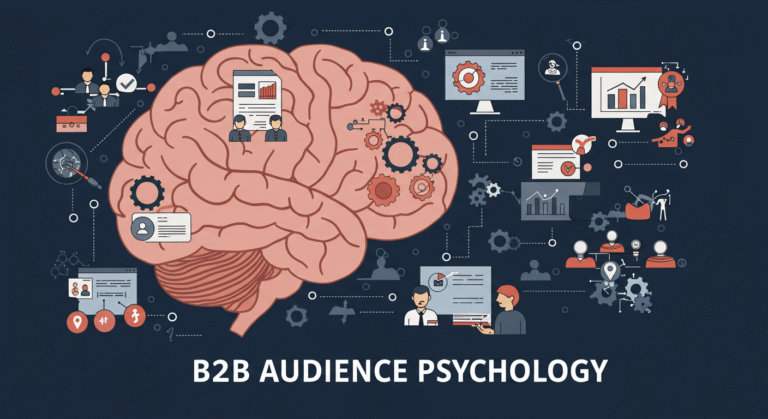
B2C audiences often believe they’re making decisions freely, but in reality, their choices follow predictable psychological patterns—subtly engineered by how information is presented.
Google’s research on consumer decision-making identified four key behaviors that have redefined marketing: exploration, evaluation, experience, and advocacy.
The Three Pillars of Persuasive B2C Content
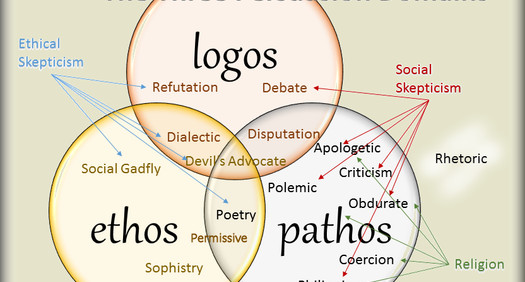
1. Ethos (Credibility)
B2C consumers need you to make a connection with them before they trust you. This isn’t just about testimonials and proof, but how you present it; your language doesn’t have to even sound formal to make that connection, it just has to be relatable.
For Example, A consumer is more comfortable or naturally more likely to buy a $150 Nike pair of sneakers over a cheaper Chinese brand with an unknown logo or no logo at all. Even when both shoes offer the same comfort, durability, and performance, customers gravitate toward known brands like Nike because of their established credibility.
As a startup, you wonder how this can be applied in my case? Start by borrowing credibility through strategic partnerships, customer testimonials, and industry certifications in your content writing, referencing things they already know or can easily relate to.
2. Pathos (Emotional Connection)
B2C decisions are 95% emotional, then sprinkled with rationalization. Your content must create emotional resonance before presenting logical arguments. This is where storytelling and experiential narrative come into play, when utilized.
Example: Nike doesn’t sell shoes; they sell the feeling of achievement. Their “Just Do It” campaigns tap into emotions of determination, self-improvement, and overcoming obstacles. Customers buy the emotional transformation they desire, not just the athletic footwear.
3. Logos (Logical Framework)
Even emotional buyers need a little bit of logical justification for their decisions. Your content should provide the rational framework that potential customers use to justify purchases to themselves and others.
Example: Apple creates emotional desire with sleek design and lifestyle positioning, but they provide logical justification through technical specifications, performance comparisons, and ecosystem compatibility. Customers feel good about their purchase of $1,200 iPhone and can rationally defend it, even when a $300 phone would meet their actual needs.
Key Psychological Biases in B2C Behavior
1. Loss Aversion
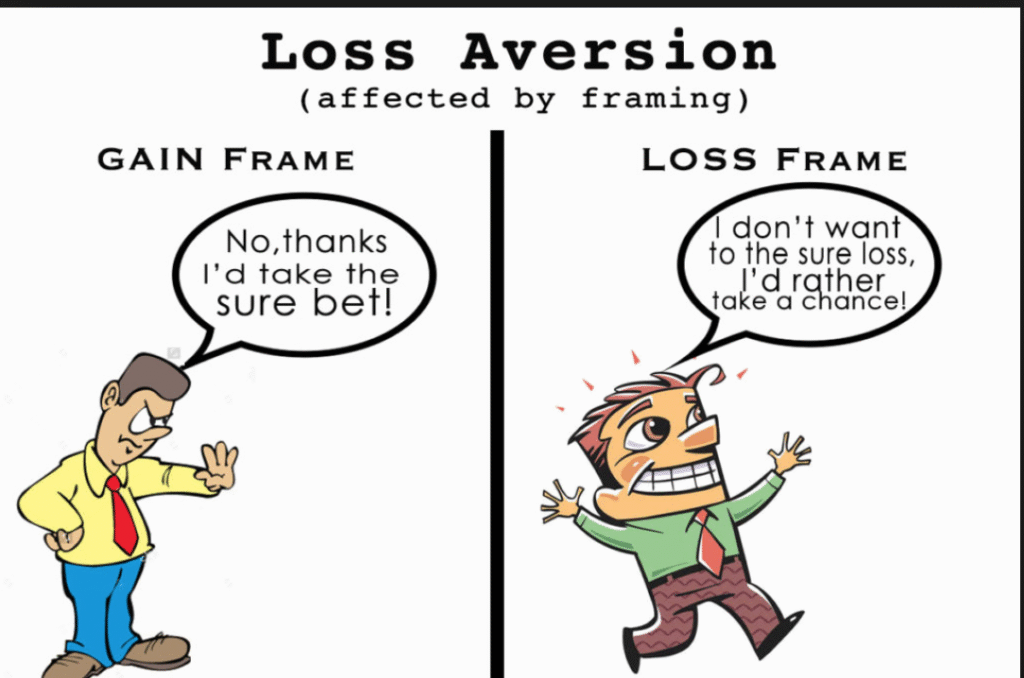
Customers fear losing something more than they value gaining something of equal worth. This can increase their urgency and scarcity perception of the thing you are presenting.
Example: Amazon’s typical “Only 2 left in stock” or Booking.com’s “3 people are looking at this hotel right now” creates fear of missing out. Customers act faster to avoid losing the opportunity than they would to gain the same product.
You may think that this doesn’t work, but customers who are used to buying on Amazon and among thousands who have received that push notification, a percentage of them are going to buy instead of not at all, because of their former interaction with Amazon and the fear of missing out.
2. Social Proof
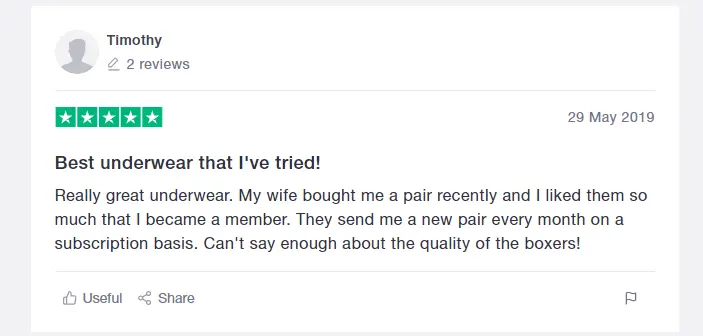
B2C buyers are motivated by others like them or even look up to them to make validations. This is, though, what others say. Reddit comments and other customer reviews, perception, and communicated experience often can carry more weight than expert opinions in B2C contexts.
Example: When choosing a restaurant, you trust the 500 Google reviews from regular diners more than one food critic’s opinion. Similarly, Amazon shoppers scroll past professional descriptions to read customer reviews and Q&As from actual users.
To apply this, you can use a screenshot of positive reviews that justifies your statements; the more of this, the stronger the effect it leaves on your readers, especially when they look genuine and natural.
3. Anchoring Bias
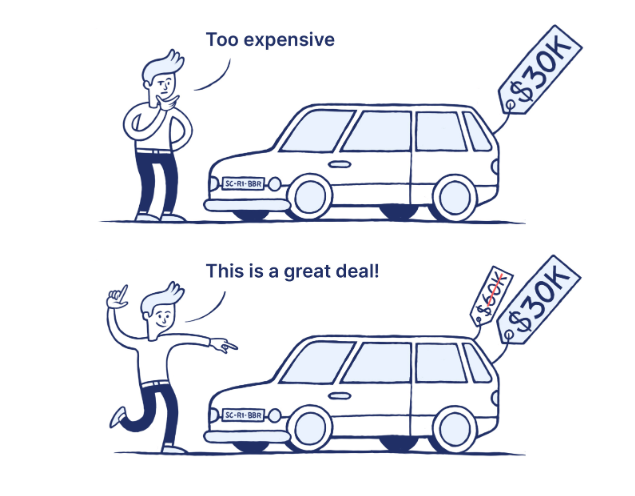
The anchoring effect points out that the first piece of information customers encounter becomes their reference point for all subsequent decisions.
Example: framing the actual worth of your product high at first, let’s say $500, then backed by why it is worth that amount, later on bringing it down to $265 makes it look like this is a good deal. The higher price “anchored” customers’ expectations, making the actual price seem reasonable by comparison.
4. Commitment Consistency
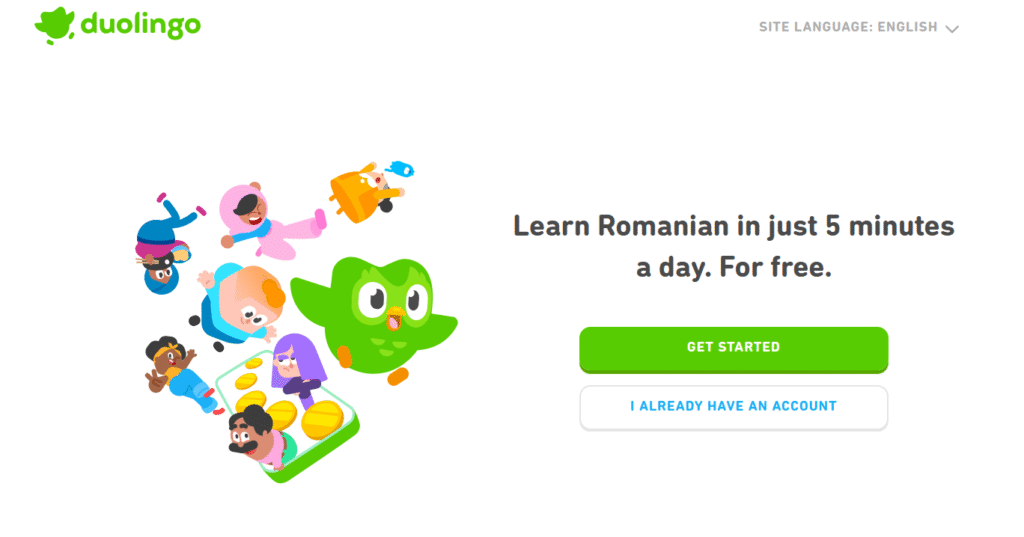
Once customers make a small commitment, they’re psychologically driven to make larger, related commitments to remain consistent with their self-image.
Example: If you are familiar with the Duolingo app, it starts with asking users to commit to just “5 minutes a day” of language learning. Once users see themselves as “someone who studies Spanish daily,” they’re more likely to upgrade to premium features, extend study streaks, and recommend the app to others.
In the same sense, just like reducing the friction around using your app by having a free trial or a free version can lead customers from making little actions to actually becoming your die-hards.
B2C Areas of Application in B2C Content Writing
Now, let’s explore how these psychological insights apply across major B2C content types.
1. Product Description Psychology
Intent: Convert browsers into buyers by making products irresistible
Psychological Triggers That Move the Needle:
- Sensory Language (taps into experiential desire)
- Social Proof Integration (reduces purchase anxiety)
- Benefit-Focused Features (connects features to emotional outcomes)
- Scarcity Signals (leverages loss aversion)
⟹ Typical Sample:
“Ultra-Soft Bamboo Sheets – 100% bamboo fiber, 300 thread count, machine washable, available in 6 colors. Hypoallergenic and eco-friendly material.”
⟹ Strategic Sample:
“Transform Your Bedroom Into a 5-Star Hotel Sanctuary – Slip into cloud-like comfort with our ultra-soft bamboo sheets that over 50,000 customers call ‘life-changing.’ Feel the silky-smooth texture against your skin while knowing you’re choosing sustainable luxury. Only 3 sets left in Midnight Blue – the color that interior designers say creates the most restful sleep environment.”
⟹ Psychology in Action:
The strategic version uses pathos (emotional language like “sanctuary” and “life-changing”), ethos (social proof from 50,000 customers), and logos (sustainability and expert designer validation).
2. Email Marketing Sequences
Intent: Build relationships and drive repeat purchases through psychological engagement
Psychological Triggers That Lead to Goal Completion:
- Reciprocity Principle (free value creates the obligation to reciprocate)
- Personal Investment (getting customers to engage increases commitment)
- Urgency and Scarcity (loss aversion drives immediate action)
- Identity Reinforcement (aligning purchases with self-concept)
⟹ Typical Sample:
“Subject: Don’t Forget Your Cart Hi (Name), you left items in your cart. Complete your purchase now to get these products before they’re gone. Click here to checkout.”
⟹ Strategic Sample:
“Subject: Sarah, I’m holding your favorites (but not for long) 👀 Hi Sarah, I noticed you were exploring our bestseller collection earlier. Smart choice, you have excellent taste! I’ve reserved those items in your cart for the next 24 hours because I know how frustrating it is when something you love sells out. After that, they’ll go to the next person on our waitlist.
Ready to make them yours? (Complete Your Order)”
⟹ Psychology in Action:
This version creates excusivity by “holding” items, uses ethos through implied exclusivity, and pathos through a personalized, conversational tone that makes the customer feel special.
3. Social Media Content That Drives Action
Intent: Generate engagement, shares, and clicks that lead to conversions
Psychological Triggers That Lead to Goal Completion:
- Emotional Storytelling (creates personal connection)
- Community Building (leverages belonging needs)
- Call-to-Action Psychology (specific, clear next steps)
- Visual Psychology (images that stop scrolling and create desire)
⟹ Typical Sample:
“Our skincare products are great for all skin types. Try our new serum today! Link in bio. #skincare #beauty #glowingskin”
⟹ Strategic Sample:
“Emma had tried everything for her acne, $800 on dermatologists, harsh treatments that only made things worse, and “miracle” routines that left her disappointed. She was ready to give up… until she tried our gentle 3-step routine. Six weeks later, she sent us this photo(transformation image) and said, “I finally feel confident without makeup.” You can get yours with the link in the Bio.
⟹ Psychology in Action:
Uses pathos through Emma’s relatable struggle, ethos via transformation proof, and logos with the systematic 3-step approach. The engagement request creates commitment.
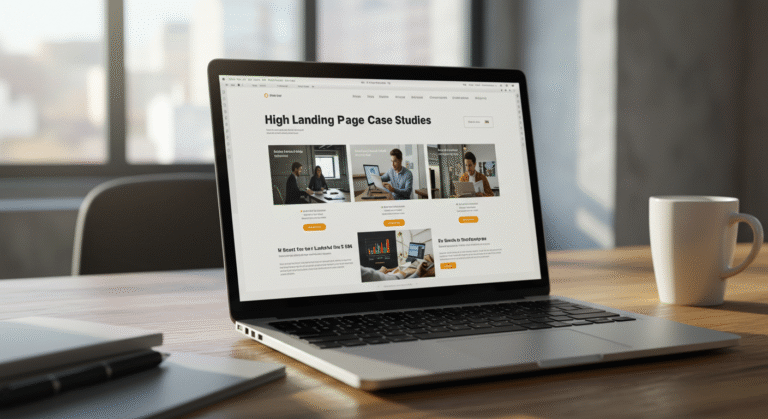
4. Landing Page Copy for Ad Campaigns
Intent: Convert paid traffic into customers by removing friction and objections
Psychological Triggers That Lead to Goal Completion:
- Attention Retention (hooks that stop the scroll)
- Urgency Creation (time-sensitive offers)
- Objection Handling (addressing fears before they arise)
- Social Validation (proof others have succeeded)
⟹ Typical Sample:
“Best Productivity App – Get More Done Download our app and increase your productivity. Features include task management, scheduling, and progress tracking. Try free for 7 days.”
⟹ Strategic Sample:
“The 5-Minute Morning Routine That’s Replacing $200 Therapy Sessions
Sarah used to spend $800 a month on therapy and still felt overwhelmed. Then she found this 5-minute morning practice already used by 47,000+ other busy professionals to stay calm and focused. In just 30 days, she felt better than after 6 months of therapy.
Get Sarah’s full routine + guided app free for 14 days (normally $29/month). Only 72 hours left, join thousands transforming their mornings.”
⟹ Psychology in Action:
Strong pathos through Sarah’s relatable problem, ethos via 47,000+ user social proof, and logos with specific time frames and results. Research also shows that psychological triggers can boost conversion rates by up to 300%.
5. Blog Content for Customer Education
Intent: Build trust, establish authority, and guide purchase decisions
Psychological Triggers That Lead to Action:
- Problem-Solution Framework (identifies with customer pain points)
- Authority Building (demonstrates expertise and credibility)
- Trust Signals (transparent, helpful information)
- Subtle Call-to-Actions (non-pushy next steps)
⟹ Typical Sample:
“How to Choose the Right Skincare Products. Choosing skincare products can be confusing. Here are some tips:
- Know your skin type
- Read ingredients
- Start with the basics
- Be consistent. Our products are formulated for all skin types.”
⟹ Strategic Sample:
“Why Your 10-Step Skincare Routine Is Ruining Your Skin (And the Surprising Fix That Actually Works)
Maria followed her pricey 10-step routine religiously, cleanser, toner, essence, serum, moisturizer, twice a day. But her skin only got worse. She was unknowingly making the same mistake 73% of skincare lovers make: over-treating her skin barrier.
Here’s what dermatologists wish everyone knew about skincare minimalism, and the simple fix that finally healed Maria’s skin.”
⟹ Psychology in Action:
Creates ethos by challenging conventional wisdom with expert knowledge, uses pathos through Maria’s relatable frustration, and logos by providing scientific reasoning. Following proven blog writing strategies ensures the content serves readers while guiding them toward conversion.
Best Practices for B2C Content Writers
- Lead With Emotion, Support With Logic: B2C customers buy emotionally and justify logically. Your headlines should trigger emotions; learn more about crafting compelling headlines, while your body copy provides rational support for the emotional decision.
- Use the Rule of Three: Present information in groups of three; it’s psychologically easier to process and remember. Three benefits, three features, three testimonials.
- Create Micro-Commitments: Understanding consumer purchasing psychology reveals that small commitments lead to larger ones. Start with email signups, quizzes, or free downloads before asking for purchases.
- Layer Social Proof Strategically: Don’t just use testimonials; combine user reviews, expert endorsements, usage statistics, and peer behavior indicators for maximum psychological impact.
- Optimize for Mobile Psychology: Mobile users have different psychological states; they’re often distracted, impatient, and scroll-happy. Your content must work with these behaviors, not against them.
- Build Email Lists Psychologically: Effective email list building requires understanding the psychology of value exchange. What will people willingly trade their email address for?
Ready to Transform Your B2C Content With Psychology-Driven Writing?
That these methods are effective doesn’t mean you can use them all the time. What makes them work is the context and instances where they seem effective.
The difference between content that gets ignored and content that converts isn’t just about what seems rational, but also based on the psychological context of that situation.
I specialize in creating B2C content that taps into the psychological triggers that make customers take action. Every piece I write combines:
- Research-backed psychological principles
- Emotional storytelling that converts
- Strategic use of ethos, pathos, and logos
- Conversion-focused structures
- SEO optimization for organic reach
Whether you need product descriptions that sell, email sequences that build relationships, social content that drives action, landing pages that convert, or educational blog posts that establish authority, I create content that works with human psychology, not against it.
Start with a free trial article and see how psychology-driven content can transform your conversions. No payment required, no strings attached, just professional, results-focused writing that demonstrates the difference psychological insight makes.
Content Writing Services for B2C → Create Effective Content
You can contact me at contact@danielwrites.com to discuss your project and claim your free trial piece.